Just How Assisted Living Promotes Social Engagement and Wellness
@gregorysnzn877
November 3, 2026 · 17 min read
Business Name: BeeHive Homes of Lamesa TX
Address: 101 N 27th St, Lamesa, TX 79331
Phone: (806) 452-5883
BeeHive Homes of Lamesa
Beehive Homes of Lamesa TX assisted living care is ideal for those who value their independence but require help with some of the activities of daily living. Residents enjoy 24-hour support, private bedrooms with baths, medication monitoring, home-cooked meals, housekeeping and laundry services, social activities and outings, and daily physical and mental exercise opportunities. Beehive Homes memory care services accommodates the growing number of seniors affected by memory loss and dementia. Beehive Homes offers respite (short-term) care for your loved one should the need arise. Whether help is needed after a surgery or illness, for vacation coverage, or just a break from the routine, respite care provides you peace of mind for any length of stay.
101 N 27th St, Lamesa, TX 79331
Business Hours
When households begin contrasting care choices, the discussion typically begins with safety. That makes good sense. Medication assistance, help with bathing, dish service, and trusted supervision issue a good deal. Yet after a couple of visits to areas, an additional concern generally increases to the surface: what will day-to-day live really feel like?
That concern is usually the transforming point. Numerous older adults do not need a nursing environment, yet they do need even more link, more framework, and a lot more possibilities to remain active than they are accessing home. Assisted living can fill that void in a useful, human method. It offers support with the tasks that have come to be hard while producing a setup where individuals can still choose, preserve regimens, and develop partnerships. For several citizens, that mix changes everything.
Social interaction and health are not different advantages of assisted living. They strengthen one another. A resident that joins a morning workout class is most likely to talk with neighbors afterward. Somebody that concerns dinner in the community dining-room is less likely to avoid a meal. A person that feels understood by team and peers is more probable to speak out about discomfort, isolation, or an adjustment in health and wellness. These are not abstract benefits. They shape life in measurable, noticeable ways.
The social isolation issue is commonly underestimated
It is very easy to think that living alone is only a problem if a person is physically hazardous. In method, seclusion can influence a person long prior to a dilemma lands them in the hospital. Older adults may quit driving, lose a spouse, develop vision or mobility troubles, or simply locate that the circle of good friends they once counted on has gotten smaller. Even with family close by, the hours between visits can be lengthy and quiet.
That type of seclusion adjustments actions. Individuals might eat less due to the fact that preparing dishes feels like way too much initiative. They might rest at odd hours, move less, or stop complying with a regimen that once kept them steady. Gradually, the days blur together. The lack of communication can make small issues really feel larger. A missed out on prescription refill ends up being extra significant. A minor loss causes a week of doubt. A little despair turns into a bigger withdrawal.
Assisted living is developed to disrupt that pattern. The environment itself matters. Dishes occur at foreseeable times. Activities are published and very easy to join. Staff members notice when someone has not come out of their apartment or condo. There is a natural rhythm to the day, which rhythm keeps individuals connected to something bigger than their very own 4 walls.
Wellness begins with the common minutes of the day
Wellness in assisted living is not limited to official programming. It begins with easy routines that support the mind and body. A resident may get up to breakfast prepared by another person, take a medication on schedule, walk to a typical area, and spend the early morning talking with a neighbor before lunch. None of that seems significant, yet those normal minutes typically do extra for wellness than a once-a-month occasion ever before could.
Nutrition is an example. Several older adults living at home slowly slide right into poor eating practices. They might rely upon biscuits, salute, or fast food since food preparation has actually become bothersome or physically demanding. In assisted living, meals are typically planned and offered on a regular basis, which removes a significant barrier. That alone can assist with power, state of mind, and medication effectiveness.
Hydration is an additional forgotten issue. A person that spends a lot of the day alone may simply neglect to drink sufficient water. In an area setup, beverages are offered throughout the day, and team frequently observe when somebody is not consuming well. That kind of wariness appears small until it prevents an urinary system infection, lightheadedness, or a fall.
Sleep can enhance as well. People have a tendency to relax better when days have structure, nights are calmer, and there is less anxiety concerning family duties. A resident does not need to bother with cutting the yard, fixing a busted faucet, or managing a full refrigerator before a snow storm. Remedy for those problems becomes part of wellness too.
Community life makes engagement easier
One of the biggest staminas of assisted living is that engagement is developed into the environment. Locals do not have to drive throughout town or coordinate several routines to see people. They can step out of their houses and find a card video game, a movie, a discussion group, a craft table, or a going to artist. That simplicity matters more than lots of families expect.
I have actually seen adults that were nearly silent in family setups come to life in a community area because the public opinion is reduced and the setup is more familiar. They are not doing for their grown-up kids. They are just signing up with peers that understand the exact same life phase, the very same losses, and typically the same dry wit. Relationships form from repetition. A person that sees the same neighbor every Tuesday and Thursday may not call that "programs," however it is precisely just how connection grows.
The ideal neighborhoods do not force extroversion. They use low-pressure possibilities. Not everybody wants to sign up with a lively bingo game, and that is great. Some locals like one-on-one conversation, devotional time, gardening, or a peaceful group workout class. Great assisted living aspects those differences. It develops sufficient variety that a resident can find a rhythm that matches their character and power level.
Social interaction sustains cognitive and psychological health
Loneliness is not just undesirable. It can impact thinking, motivation, and psychological resilience. When an individual invests too much time alone, it becomes harder to stay mentally sharp and engaged. There is much less conversation, less possibilities to remember names or tales, and less moments that call for attention and response. Assisted living develops a richer day-to-day social environment that assists maintain the mind active.
This does not indicate social life protects against memory loss or changes treatment. It does mean that a resident is more likely to be promoted in small yet significant methods. They might comply with a conversation about present occasions, remember lyrics during a singalong, or help a neighbor keep in mind an activity time. These interactions work out recall and language in ways that feel all-natural, not clinical.
Emotional health and wellness advantages as well. People commonly underestimate just how much anxiousness is senior living lowered when another person is around to see a modification in state of mind. A resident that has had a rough morning is most likely to state it when a team member checks in or a close friend asks how they are correcting lunch. That small opening can cause practical support. Often it is a matter of rerouting a person to an activity. Sometimes it is acknowledging that pain, pain, or confusion is aggravating and deserves attention.

For households searching for senior living, this is one of the most essential distinctions to search for. A community can have lovely style and refined advertising and marketing, but if residents spend the majority of their time alone, the social value is limited. The question is not only whether the area supplies activities. The genuine question is whether people in fact gather.
Fitness and flexibility boost when activity becomes social
Exercise is less complicated to keep when it is tied to routine and companionship. A person who must encourage themselves to stroll alone through a community might skip it on warm days, wet days, or days when their knees ache. In assisted living, motion commonly enters into social life. Locals might join chair workouts, stretch with a group, stroll corridors with a close friend, or join balance classes.
That kind of activity is particularly essential since it is lasting. It does not need to be intense to matter. 10 minutes of led extending, a short walk after lunch, or standing and relocating through a light course can support blood circulation, versatility, and confidence. Over time, those small efforts can lower deconditioning, which is just one of the concealed threats of aging. The less individuals move, the more challenging movement becomes.
There is also an emotional piece. When activity is social, individuals are much less most likely to interpret tiredness as failing. They compare notes, urge one another, and normalize doing what they can. That matters for residents that might be recovering from a hospitalization or readjusting after a loss. They are typically extra ready to try once more when they are refraining it alone.
An excellent area additionally knows when to leave space for rest. Not every resident needs to be pushed right into the same exercise timetable. Joint inflammation, heart disease, equilibrium concerns, and medication effects all alter what is ideal. Genuine health is not a one-size-fits-all program. It is a thoughtful balance in between support and regard for limits.
Staff connections add an additional layer of connection
People often speak about "the staff" as if it is one thing. In a strong assisted living area, personnel are not undetectable service providers. They become part of the resident's day-to-day social media. A caretaker who bears in mind how someone takes coffee, that rests with an anxious resident before breakfast, or that notices that a generally friendly individual has actually gone peaceful can make a real difference.
This is one of the quieter toughness of assisted living. Acquainted faces create count on. Depend on makes it simpler for residents to approve help with bathing, dressing, medicine pointers, or mobility support. It additionally makes it less complicated to report a problem early. Somebody that really feels understood is most likely to state a skin problem, an adjustment in cravings, or a new ache in the hip instead of waiting till it comes to be urgent.
The top quality of those relationships depends on staffing uniformity and training, certainly. Households comparing assisted living near me should focus not only to features yet to just how personnel talk with citizens throughout a tour. Do they greet people by name? Do citizens show up relaxed around them? Do team member appear rushed, or do they make room for conversation? Those details reveal even more concerning life than a brochure ever will.
Respite care can be a valuable bridge, not just a backup plan
Families occasionally think of respite care only as a temporary solution after a caretaker emergency situation. It can be that, yet it can also serve a wider function. A brief stay in assisted living gives an older grownup a possibility to experience community life without making a prompt permanent relocation. For some individuals, that trial period reduces stress and anxiety. They discover that dishes are simpler, the speed is convenient, and they appreciate the social get in touch with greater than they expected.
Respite care can additionally disclose functional truths. A relative may assume their loved one is doing fine in your home till a short remain reveals just how exhausting individual care has actually ended up being. One more resident might recognize they are lonely once they spend a few days in a setup where conversation is constructed right into the day. These understandings matter. They aid families make decisions with evidence instead of guesswork.
For caregivers, respite care supplies something equally essential: alleviation. Also committed family caregivers need rest. When they can tip away for a week or 2, they return with more patience and a more clear sight of what their loved one really requires. That can boost decision-making for everyone involved.
Choosing a neighborhood requires looking beyond the checklist
Families often start their search with practical filters. Is there assisted living near me? What does it cost? Does the area approve the appropriate degree of care? Those inquiries are necessary, but they do not inform the whole tale. Social interaction and wellness are shaped by environment, shows, and society equally as long as by layout or meal menus.
A thoughtful visit typically exposes more than a sales discussion. See exactly how locals relocate via the room. Notification whether common locations are inhabited or empty sometimes when individuals must naturally collect. Ask what takes place on a regular weekday, not just what special occasions are supplied when a month. A solid community must have the ability to explain how social possibilities are woven right into regular life.
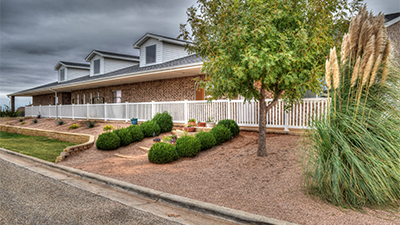
Families ought to likewise take into consideration personality fit. A highly energetic resident might prosper in a neighborhood with robust occasions and trips. Someone more quiet may do better in a smaller setting where personnel and residents understand each other closely. There is no single ideal version. The appropriate fit is the one that aids the individual feeling included without being overwhelmed.
A short useful way to examine a neighborhood is to ask:
- How often do citizens gather for meals and activities?
- What choices exist for individuals that are timid, introverted, or hard of hearing?
- How do personnel notification and respond when a resident starts isolating?
- Are wellness programs adapted for various wheelchair levels?
- How does the community support family involvement?
Those inquiries have a tendency to emerge the actual society quickly.
Why the emotional tone of the setting matters
The most effective assisted living areas do not just supply solutions. They produce a tone of self-respect. That tone affects whether homeowners feel like individuals or clients. If a neighborhood treats individuals as qualified grownups with preferences, behaviors, and viewpoints, locals are more probable to engage. If the atmosphere really feels extremely institutional, people have a tendency to retreat.
That distinction is not cosmetic. Psychological tone impacts hunger, participation, and readiness to request aid. A resident who feels self-conscious about needing aid might refuse it. A resident who feels appreciated is more probable to cooperate with care and remain associated with community life. The difference can appear in something as small as attending lunch or as significant as reporting a sign early.
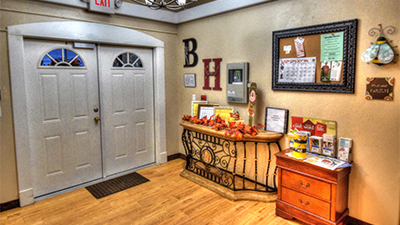
This is where experience matters. Households often concentrate on whether an area "looks nice," yet the deeper concern is whether it feels like a habitable home. That consists of sound degree, pacing, team disposition, and exactly how locals are spoken to in public spaces. A stunning dining room does not compensate for a culture where individuals really feel ignored.
The genuine worth is the combination
Assisted living functions best when it sustains both function and belonging. One without the other is insufficient. Assist with daily jobs maintains people risk-free, however it is the social fabric that usually restores power and objective. A resident that has a factor to get dressed, an area to be, and individuals expecting to see them is living in different ways than someone who invests lengthy days alone at home.
That is why families checking out senior care often wind up reassessing what "support" actually suggests. It is not only regarding hands-on aid. It is about developing conditions where older grownups can keep turning up to life. The best neighborhood does not remove self-reliance. It protects the parts of self-reliance that still matter while minimizing the concerns that have actually come to be too hefty to carry alone.
For lots of older grownups, that is the factor at which health and wellness enhances in functional methods. Meals become more regular. Motion comes to be less challenging. Conversations return to the day. Anxiousness relieves since a person is nearby. And bit by bit, the person's globe opens up back up.
That is the guarantee of assisted living at its ideal. Not simply care, however link. Not simply guidance, but an everyday setting that sustains the body, steadies the mind, and gives social life enough room to expand again.
BeeHive Homes of Lamesa TX provides assisted living care
BeeHive Homes of Lamesa TX provides memory care services
BeeHive Homes of Lamesa TX provides respite care services
BeeHive Homes of Lamesa TX supports assistance with bathing and grooming
BeeHive Homes of Lamesa TX offers private bedrooms with private bathrooms
BeeHive Homes of Lamesa TX provides medication monitoring and documentation
BeeHive Homes of Lamesa TX serves dietitian-approved meals
BeeHive Homes of Lamesa TX provides housekeeping services
BeeHive Homes of Lamesa TX provides laundry services
BeeHive Homes of Lamesa TX offers community dining and social engagement activities
BeeHive Homes of Lamesa TX features life enrichment activities
BeeHive Homes of Lamesa TX supports personal care assistance during meals and daily routines
BeeHive Homes of Lamesa TX promotes frequent physical and mental exercise opportunities
BeeHive Homes of Lamesa TX provides a home-like residential environment
BeeHive Homes of Lamesa TX creates customized care plans as residents’ needs change
BeeHive Homes of Lamesa TX assesses individual resident care needs
BeeHive Homes of Lamesa TX accepts private pay and long-term care insurance
BeeHive Homes of Lamesa TX assists qualified veterans with Aid and Attendance benefits
BeeHive Homes of Lamesa TX encourages meaningful resident-to-staff relationships
BeeHive Homes of Lamesa TX delivers compassionate, attentive senior care focused on dignity and comfort
BeeHive Homes of Lamesa TX has a phone number of (806) 452-5883
BeeHive Homes of Lamesa TX has an address of 101 N 27th St, Lamesa, TX 79331
BeeHive Homes of Lamesa TX has a website https://beehivehomes.com/locations/lamesa/
BeeHive Homes of Lamesa TX has Google Maps listing https://maps.app.goo.gl/ta6AThYBMuuujtqr7
BeeHive Homes of Lamesa TX has Facebook page https://www.facebook.com/BeeHiveHomesLamesa
BeeHive Homes of Lamesa has an YouTube page https://www.youtube.com/@WelcomeHomeBeeHiveHomes
BeeHive Homes of Lamesa TX won Top Assisted Living Homes 2025
BeeHive Homes of Lamesa TX earned Best Customer Service Award 2024
BeeHive Homes of Lamesa TX placed 1st for Senior Living Communities 2025
People Also Ask about BeeHive Homes of Lamesa TX
What is BeeHive Homes of Lamesa Living monthly room rate?
The rate depends on the level of care that is needed. We do an initial evaluation for each potential resident to determine the level of care needed. The monthly rate is based on this evaluation. There are no hidden costs or fees
Can residents stay in BeeHive Homes until the end of their life?
Usually yes. There are exceptions, such as when there are safety issues with the resident, or they need 24 hour skilled nursing services
Do we have a nurse on staff?
No, but each BeeHive Home has a consulting Nurse available 24 – 7. if nursing services are needed, a doctor can order home health to come into the home
What are BeeHive Homes’ visiting hours?
Visiting hours are adjusted to accommodate the families and the resident’s needs… just not too early or too late
Do we have couple’s rooms available?
Yes, each home has rooms designed to accommodate couples. Please ask about the availability of these rooms
Where is BeeHive Homes of Lamesa TX located?
BeeHive Homes of Lamesa is conveniently located at 101 N 27th St, Lamesa, TX 79331. You can easily find directions on Google Maps or call at (806) 452-5883 Monday through Sunday 9:00am to 5:00pm
How can I contact BeeHive Homes of Lamesa TX?
You can contact BeeHive Homes of Lamesa by phone at: (806) 452-5883, visit their website at https://beehivehomes.com/locations/lamesa/, or connect on social media via Facebook or YouTube
Pedroza's Restaurant offers casual dining in a welcoming setting ideal for assisted living, memory care, senior care, elderly care, and respite care visits.